
The life aquatic: What it’s like to work as a marine park ranger in SA
Learn about what she does in her role everyday, and what inspires her to continue working in this field.
How long have you been in the role, and how did you get here?
I studied a Bachelor of Science in marine biology at Flinders University and then went on to do honours. From there I wasn’t too sure which path to take, but eventually decided to undertake a PhD in Dolphin Ecology.
Once that was submitted, an opportunity came up to work in the NPWS marine parks team. I was fortunate to get the role, but funny enough at the time I had never realised that it was actually my dream job. Nine years later — and I haven’t looked back!
What areas are you in charge of keeping an eye on?
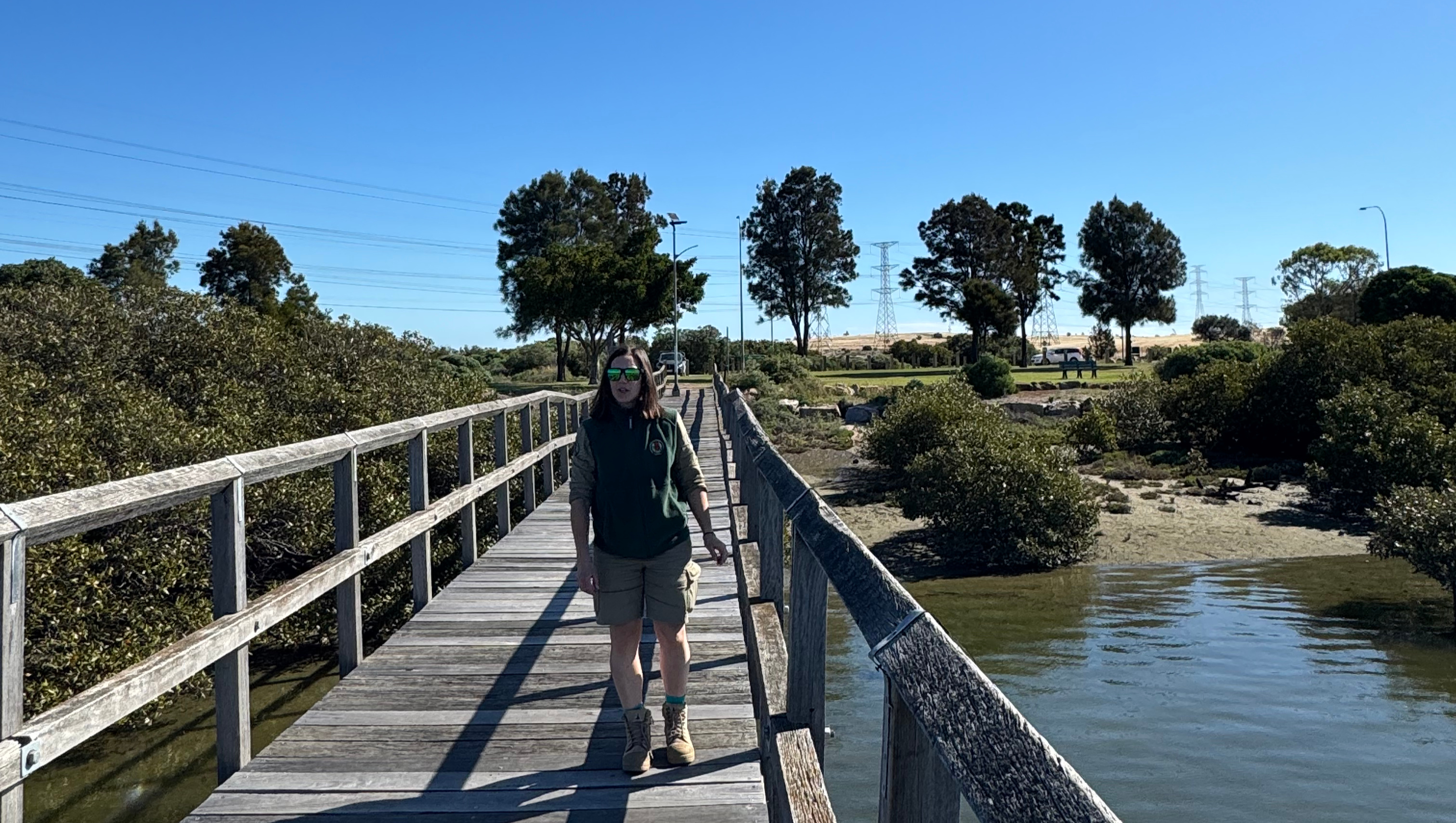
My team and I manage two large marine parks, the Adelaide Dolphin Sanctuary and Encounter Marine Park. Encounter Marine Park starts at Port Stanvac and runs the whole way along the Fleurieu Peninsula, across to north- eastern Kangaroo Island and over to the Coorong. We are also responsible for any marine mammal incidents that occur between these parks, along the Adelaide metropolitan coast.
What does a typical day look like for your on the job?
There really isn’t a typical day when you work as a marine ranger.
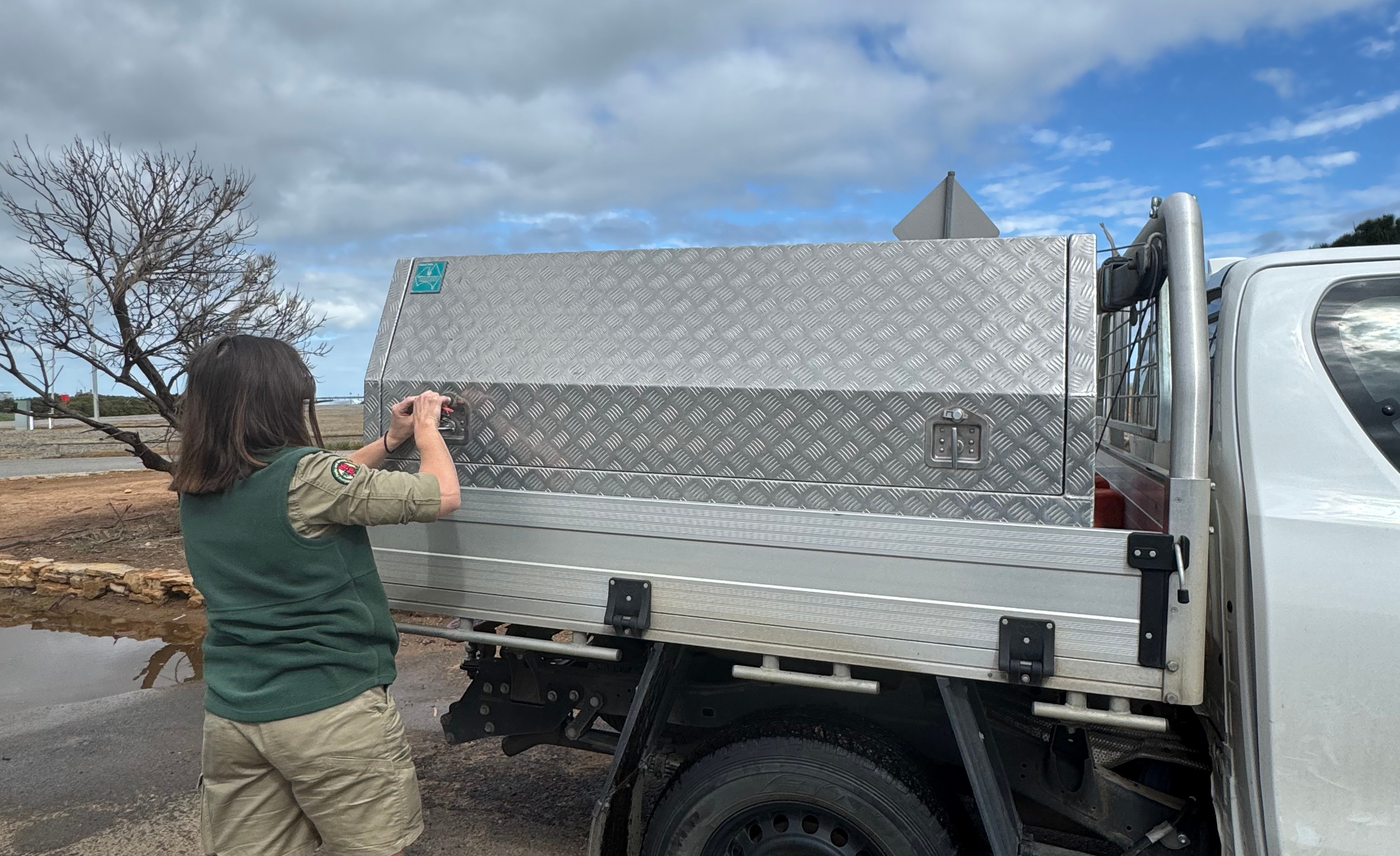
The role can be very reactive at times, so you never know where each day may take you. I love being out in the field, so I try to get out and about as much as possible to undertake patrols within our two parks. We undertake patrols by boat or from shore to make sure people aren’t fishing in marine park sanctuary zones or breaching the marine mammal regulations.
We may get called out to inspect sick or injured marine wildlife, so in those instances we generally drop whatever else we are doing to go attend.
If I’m not out in the field you can usually find me in Port Adelaide where our office is based. This is where I get all my admin done, including meetings, emails, expiations etc.
Why are marine parks important?
Marine parks are important for conserving and protecting our marine biodiversity for generations to come. In South Australia, marine parks are made up of different types of zones, each with its own level of protection.
Marine Park Sanctuary Zones offer one of the highest levels of protection, in the same way that National Parks on land do. You can visit and enjoy sanctuary zones, that is go diving or sightseeing etc, but all forms of fishing and harvesting are prohibited. By not fishing in sanctuary zones we can help protect important habitats, marine species, breeding grounds and important refuge areas.
What is your favourite thing about your role?
My favourite part of my job is being out in the field, especially out on the water on a calm summer day! I love being out looking for wildlife and observing their behaviours, and no matter how many times I do it, I could never get tired of sightseeing along our beautiful coast.
What tips do you have for those who dream of becoming a marine park ranger?
I would suggest people get as much experience as possible, and a great way to gain this experience is to volunteer either through local Friends of Parks groups, or by applying to become a volunteer ranger through the Department’s volunteer ranger program.
Obviously a science degree in marine biology or environmental studies will help, and I’d definitely recommend getting your commercial boat license.
What are three things people might not know about marine parks?
- South Australia has 20 marine parks including the Adelaide Dolphin Sanctuary
- Sanctuary zone boundary information is easily accessible and mapped on the PIRSASA Fishing phone app.
- Encounter marine park has some of the highest diversities of small sea creatures (macroinvertebrates) across SA’s marine parks
What can people do to help protect marine parks?
Learn about them, respect them, and of course enjoy them. If you fish, one of the best ways to help protect marine parks is to learn where the sanctuary zones are and avoid fishing them. Tell your fishing buddies too.
If you snorkel or dive, make sure you do so in our marine parks and sanctuary zones, so you can see firsthand the amazing and unique ecosystems that we are trying to protect. And to all the parents- teach your little ones about marine parks, and if you’re able to go on a trip to explore them, do so! They’ll be the future advocates for our environment (you can’t protect what you don’t know!).
Park of the Month
Throughout December, Marine Parks are being celebrated as the National Parks and Wildlife Service South Australia’s Park of the Month. There are lots of events and activities to get involved in – check the website for all the details.
Want to learn more about the Adelaide Dolphin Sanctuary?
Check out 20 facts for 20 years of the Adelaide Dolphin Sanctuary.
Stay in the know: Sign up to get updates from National Parks and Wildlife Service South Australia straight to your inbox!