
Friends’ tips: Friends of Coorong National Park
The best way to explore a place like Coorong National Park is with advice from the people who know it best. We caught up with Samantha (Sam) Blight, President of the Friends of the Coorong, to hear her tips, favourite spots and what keeps this passionate volunteer group busy.
Meet the Friends of the Coorong
Can you tell us about the Friends of the Coorong?
The Friends of the Coorong formed in November 1987. We’re a community-based volunteer group working closely with the National Parks team to help maintain, protect and enhance the park’s natural and cultural heritage.
Over the years, we’ve built strong community appreciation for the Coorong through hands-on projects, research and storytelling. We were honoured to be named Friends of Parks “Friends Group of the Decade 1996 – 2006”.
What are you working on right now?
We’ve always got something on the go. Here’s what’s happening now.
- Clean Up Australia Day – 15 March 2026 at Noonameena Lookout. Everyone is welcome to join us!
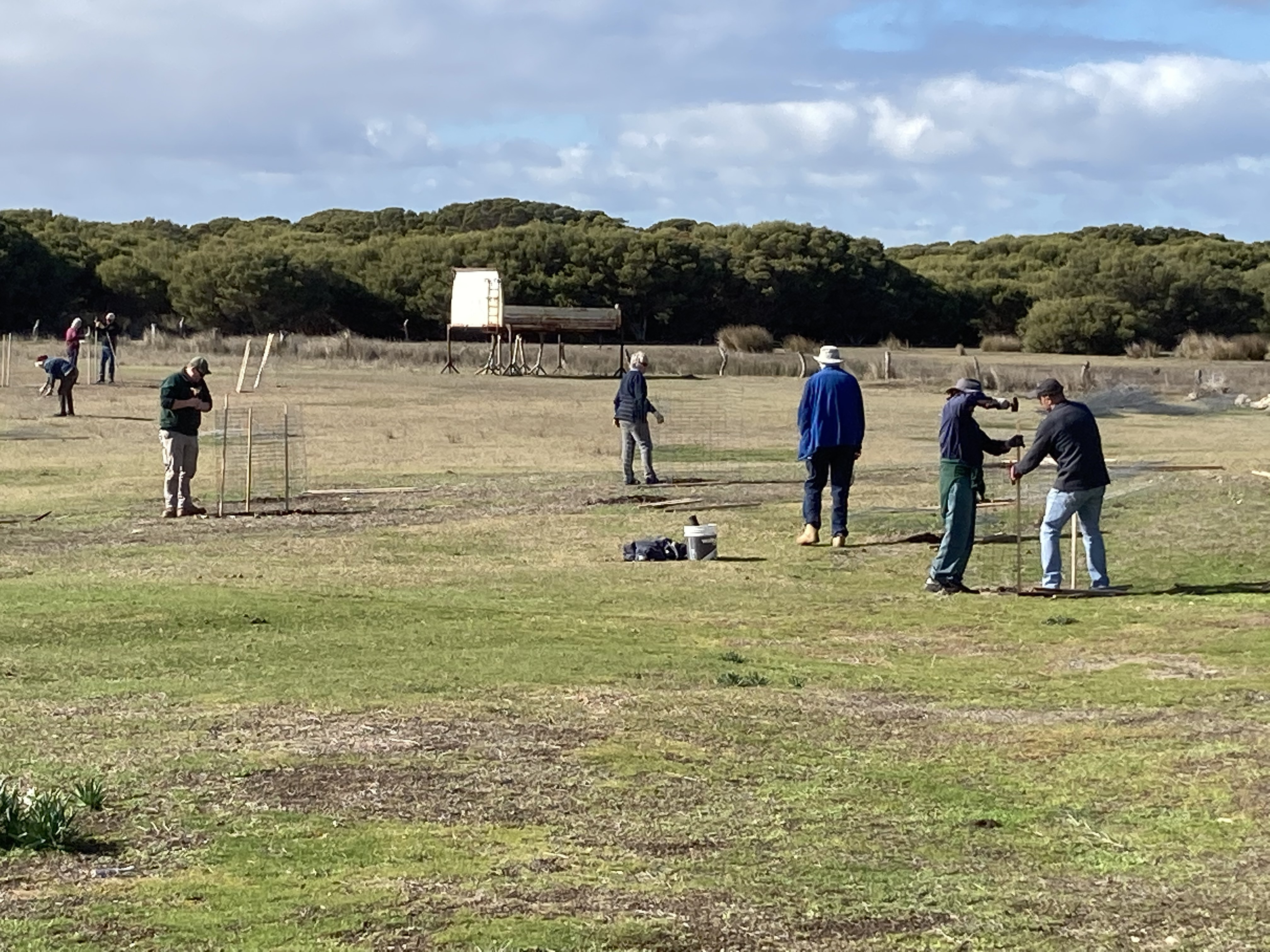
- National Tree Planting Day – 26 July 2026. We’re continuing work at 42 Mile Crossing campground to provide more shade and shelter for visitors and local wildlife like emus, kangaroos, wombats and birds.
- Upgrading interpretive signs along the Lakes Nature Trail near Salt Creek.
- Creating a new interpretive sign for the historic hand-pull ferry at Parnka Point.
- Publishing a fourth book sharing stories of women from the early settlement of the Coorong and Lakes area.
A passion for heritage
You’ve done significant restoration work. What stands out?
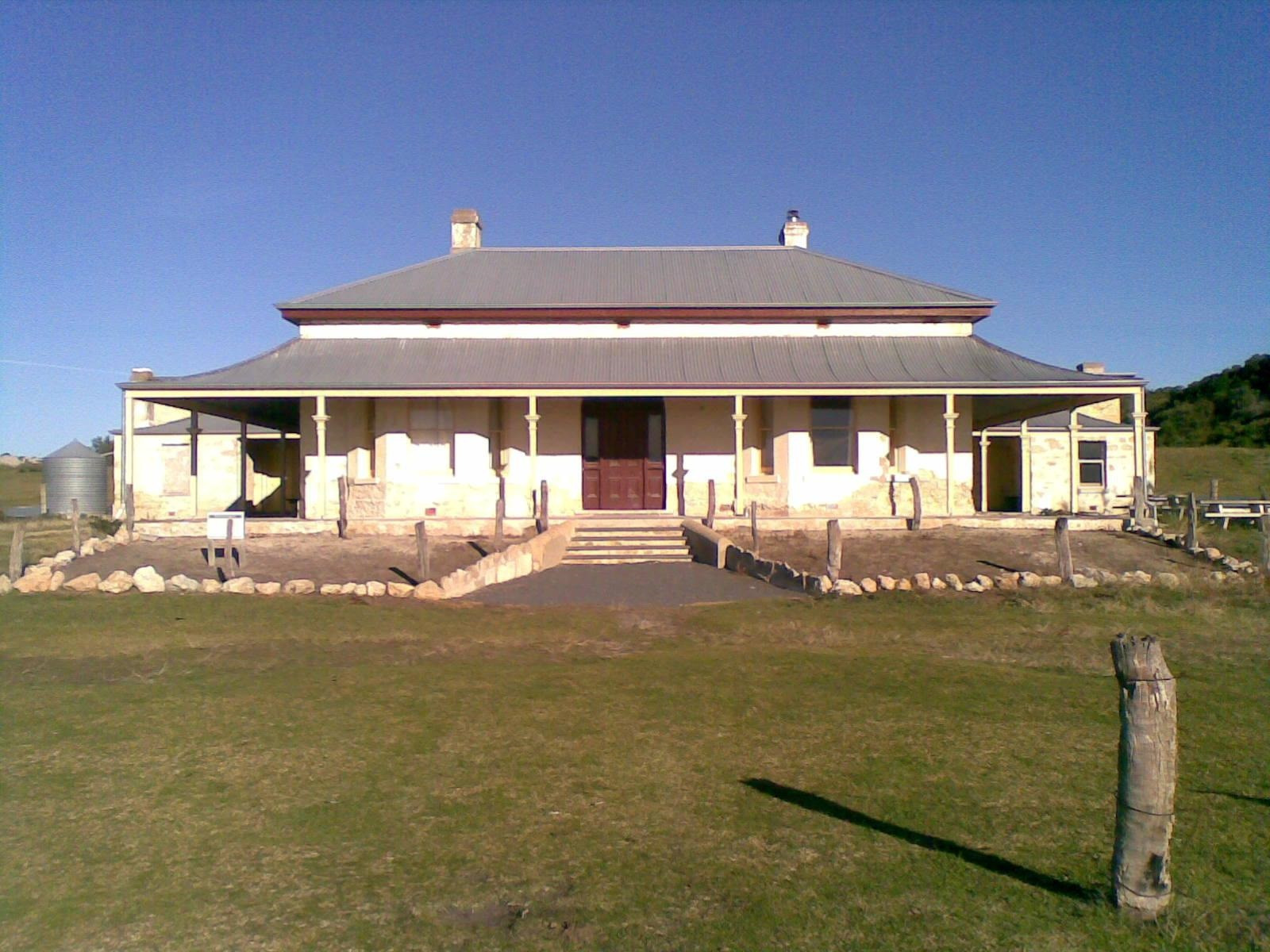
One highlight is our long involvement with Historic Cantara Homestead. Over the years, we’ve:
- Held regular clean-up working bees
- Helped secure grants for a Conservation Plan
- Funded replacement slate front steps
- Supported restoration of the historic meat safe building
- Installed a rainwater tank
- Provided historical interpretation for visitors
- Hosted public open days
- Taken part in stonework restoration workshops
We’ve also worked extensively on the historic Mark Point mill and tank — maintaining the structure, installing a protective well cover and revegetating the surrounding area.
Sharing stories is another passion. We’ve published several books, including Tales of the Coorong, More Tales of the Coorong, Tales of the Lakes and Coorong, and Key Bird Species of the Coorong, along with personal histories such as Nel’s Diaries and Out of the Dreaming.
Inspiring the next generation
We also create activities for children, available on our website, including:
- Coorong Kids Bingo
- 42 Mile Crossing Adventure Sheet
- I Heart Coorong, Colouring-in pages
- Jigsaw puzzles
- A bird-themed board game
Helping young people connect with nature builds the next generation of park stewards.
Hidden gems of the Coorong
What’s one walk you’d recommend?
The Lakes Nature Trail near Salt Creek is a favourite. This loop walk showcases the diversity of the Coorong — from ephemeral Pipe Clay Lake to tea-tree and mallee scrub, low sand dunes and a halite lake once used for salt harvesting.
In spring, wildflowers bloom along the trail and in summer, birdlife shifts as lakes dry. You might spot western grey kangaroos, wombats, echidnas, emus or even a rufous bristlebird.
The trail also tells the story of the salt mining industry. From the 1870s, salt was harvested here and transported to Kingston SE. 200 – 400 tons were harvested each year, until the area was incorporated into the Coorong National Park in 1966! Today, ponding levees and rusted equipment remain as reminders of that era.
Another must-see spot?
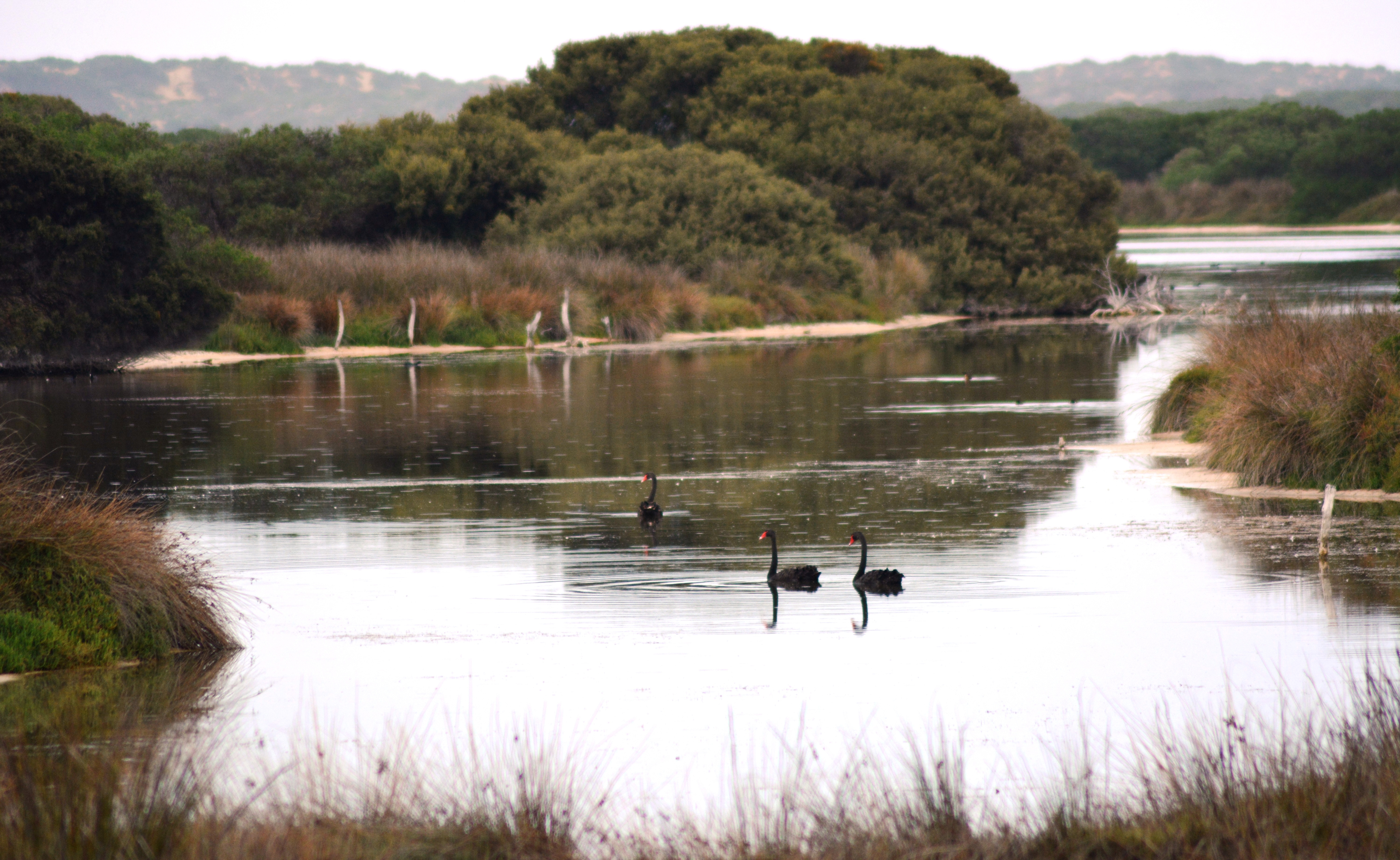
Parnka Point, a natural division between the north and south lagoons offers sweeping views and fantastic birdwatching.
The 5 km Parnka Ngoppun walking trail (about 1.5 to 2 hours) was developed in consultation with local Ngarrindjeri community members. ‘Parnka’ means sandy beach and ‘Ngoppun’ means walk.
It’s a great place for a picnic, with shelters and tables, and you can still see remnants of the historic hand-pull ferry once used to access the Younghusband Peninsula.
Keep an eye out for migratory waders such as banded stilts and sharp-tailed sandpipers, and, if you’re very lucky, the endangered Orange-bellied Parrot. With only around 100 – 200 individuals remaining, it’s one of Australia’s rarest birds. Each winter, they migrate from Tasmania to south-eastern Australia’s coasts to feed.
What would you say to someone thinking about joining?
Volunteering connects you to the landscape in a deeper way. You meet wonderful people, learn new skills and see the direct results of your efforts — whether that’s restored heritage, thriving revegetation or better experiences for visitors.
Most of all, you become part of the Coorong’s story.
Get involved
If you’d like to get involved, join a Friends of Parks group near you. Every small action helps protect this remarkable landscape for future generations.
You can also learn more about Coorong National Park at the park’s page.
Park of the Month
Throughout March, Coorong National Park is being highlighted as the National Parks and Wildlife Service’s Park of the Month. There are lots of events and activities to get involved in, find them here!
Stay in the know: Sign up to get updates from National Parks and Wildlife Service and Friends of Parks and Nature Inc. straight to your inbox!